
Why Repeating Commands Often Makes Training Harder
PUPPY TRAINING
Robert Ellington
6/15/20263 min read
Most dog owners do this without even realizing it.
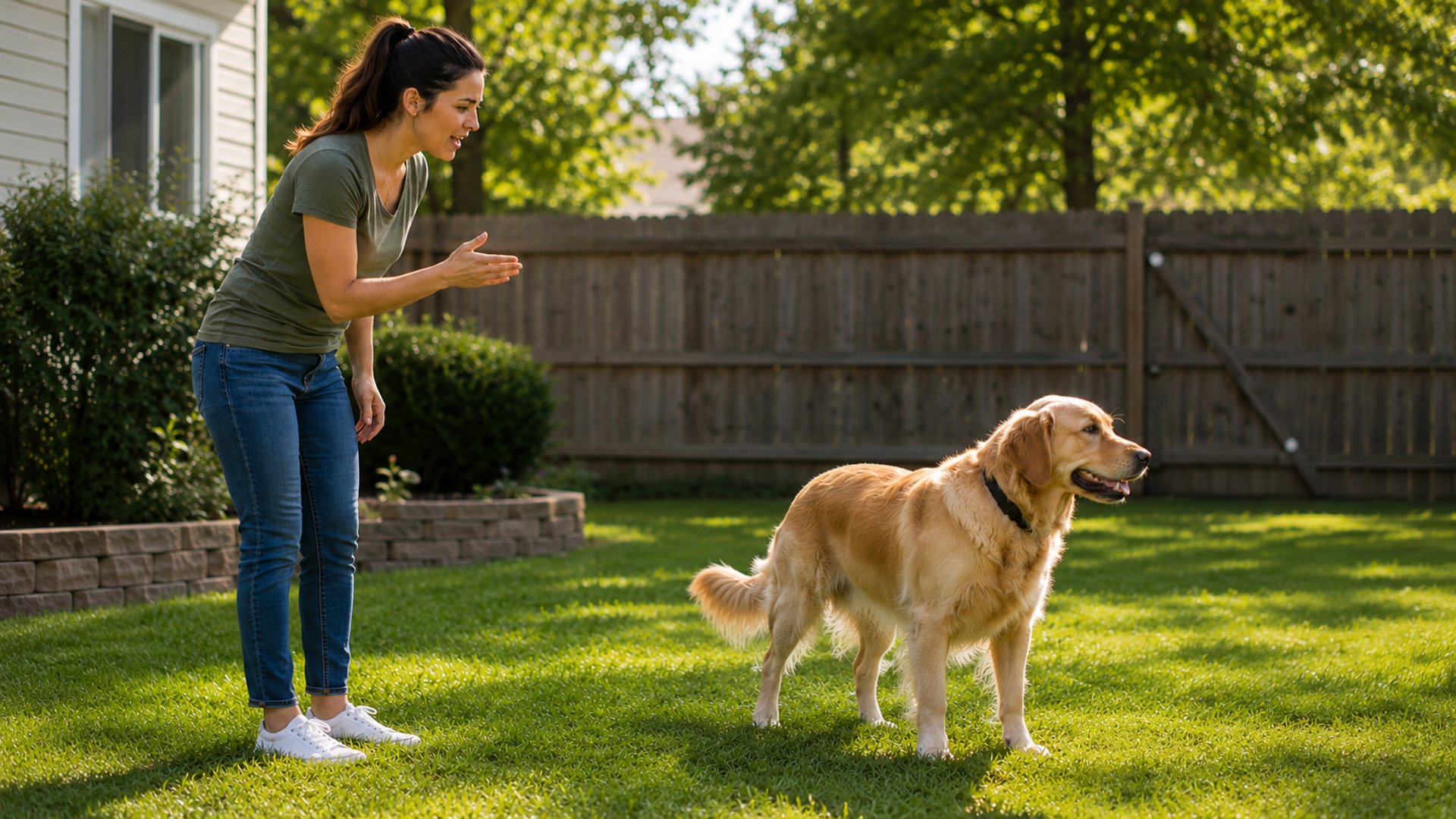
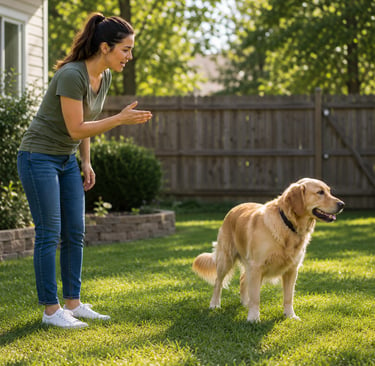
"Sit."
Nothing.
"Sit."
Still nothing.
"Sit."
Now the dog sits.
It seems harmless.
After all, the dog listened eventually.
But what many owners never realize is that every repeated command may be teaching a lesson they never intended to teach.
At first, repeating commands feels completely normal.
You assume your dog didn't hear you.
Maybe they were distracted.
Maybe they were focused on something else.
So you say it again.
Then again.
Then one more time.
The problem is that dogs are constantly learning patterns.
And over time, some dogs begin learning that the first command doesn't really matter.
Or the second.
Sometimes not even the third.
Instead of learning:
"Sit means sit."
They start learning:
"I can respond when I feel like it."
That small shift may not seem important at first.
But it can quietly affect training in ways many owners never expect.
The dog delays.
The owner repeats.
The pattern becomes routine.
And the longer it continues, the more normal it feels for both sides.
That is how many frustrating training habits begin.
Not all at once.
Little by little.
Week after week.
Many owners don't notice the problem until one day they realize they are repeating nearly every command they give.
And by then, the habit is often stronger than they think.
If you're repeating the same commands every day, your dog may already be practicing a habit that becomes harder to change over time.
One thing experienced trainers understand is that good communication is usually more powerful than more commands.
When a dog is truly engaged, fewer words are often needed.
The dog pays attention.
The owner feels calmer.
Training becomes clearer.
And progress becomes easier to maintain.
That is why many professional trainers focus heavily on attention before asking for obedience.
Because attention is often the foundation that makes obedience possible.
Many owners are surprised to discover that improving focus can help improve several behaviors at the same time.
Recall.
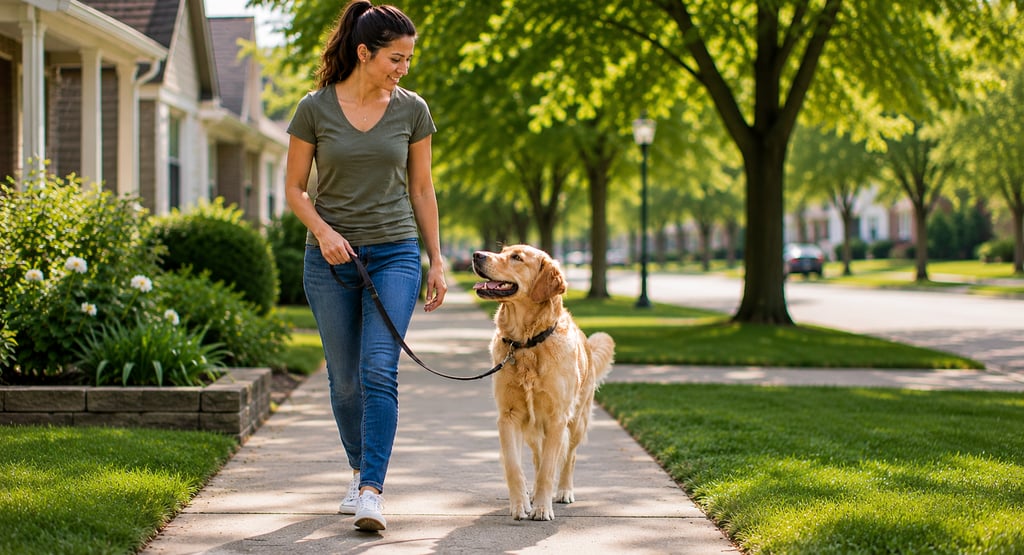
Leash walking.
Impulse control.
Listening around distractions.
Even everyday calmness inside the home.
The goal is not teaching a dog to respond after the fourth command.
The goal is helping a dog become ready to respond after the first.
This is one reason many dog owners explore K9 Training Institute.
The program focuses on attention, engagement, body language, and clear communication rather than simply repeating commands louder or more often.
Many owners find that once their dog becomes more focused, training starts feeling completely different.
Because a dog that is paying attention is often much easier to guide than a dog that is constantly deciding whether or not to respond.
And what starts as needing to repeat "sit" a few times can eventually affect recall, leash walking, and everyday listening in more distracting environments.
That is why many owners choose to work on these foundations before the habit becomes even more established.
If your dog only responds after hearing the same command multiple times, it may be worth taking a closer look at the communication patterns underneath the behavior.



About
HeartPaws shares practical dog training tips, behavior advice, brain games, and enrichment ideas to help dogs live happier, more balanced lives.
Contact
info@heartbeatfit.com
© 2026 HeartPaws. All Rights Reserved.