
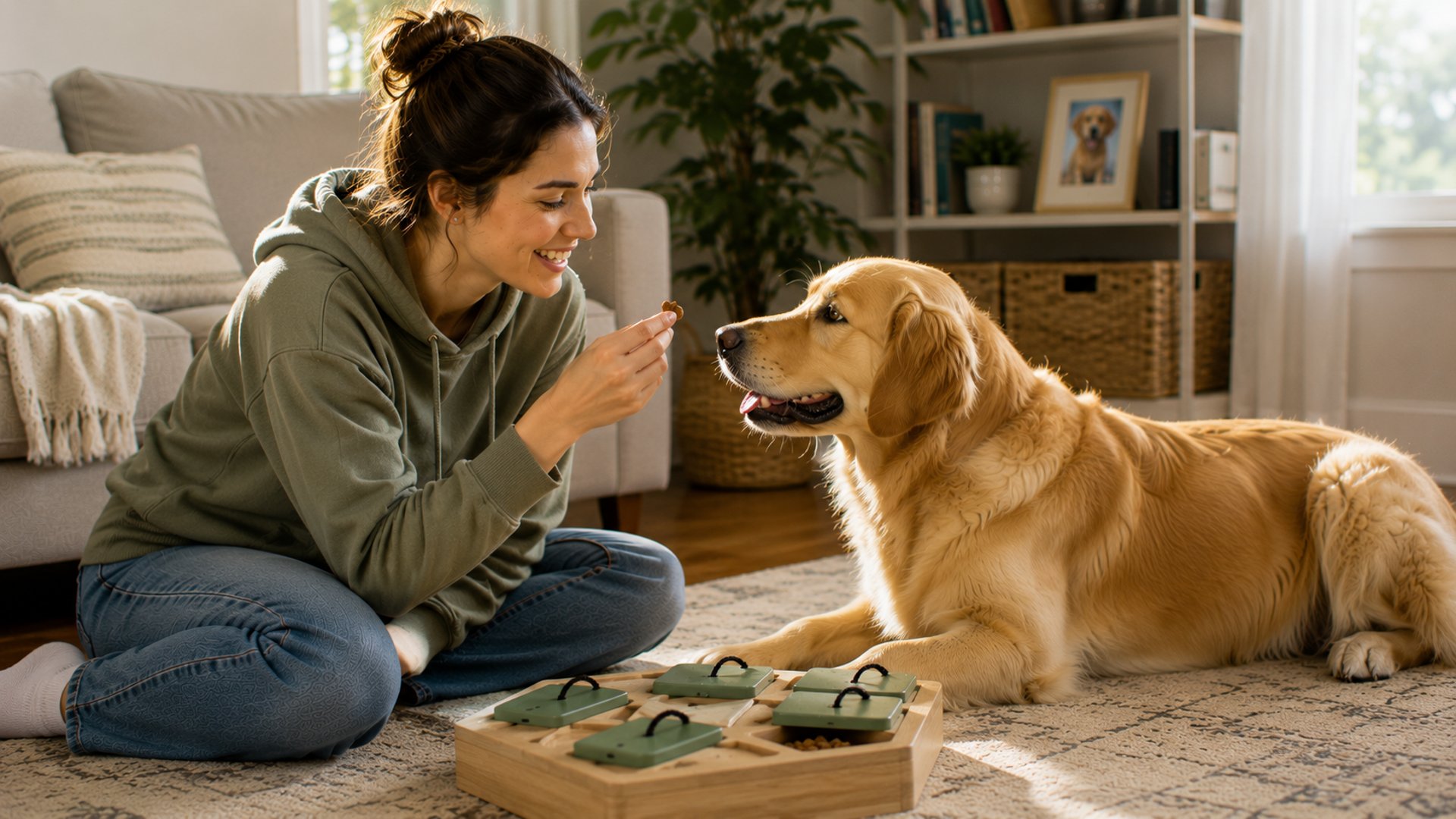
Why Some Dogs Need More Than Walks To Stay Happy
BRAIN GAMES
Robert Ellington
7/1/20262 min read
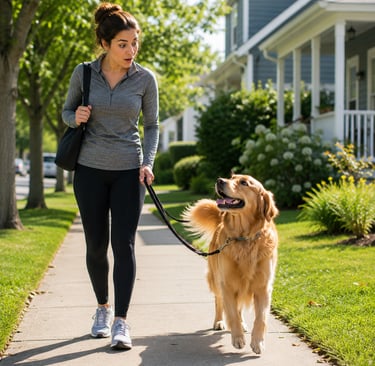
Most dog owners believe a good walk solves almost everything.
Exercise.
Energy.
Restlessness.
Behavior problems.
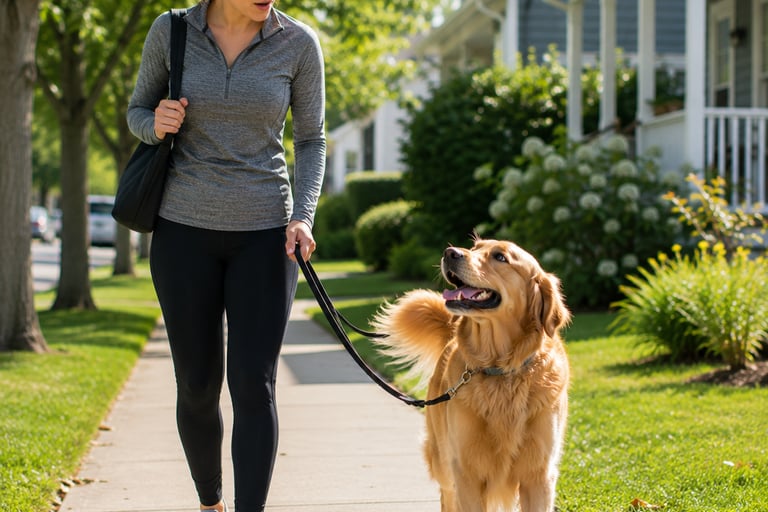
And for many dogs, regular walks are an important part of a healthy routine.
But some owners notice something confusing.
The walk ends.
Their dog comes home.
And within an hour, the dog is looking for something else to do.
Many people assume this means the dog simply needs more exercise.
Sometimes that is true.
But not always.
Some dogs are not just looking for physical activity.
They are looking for engagement.
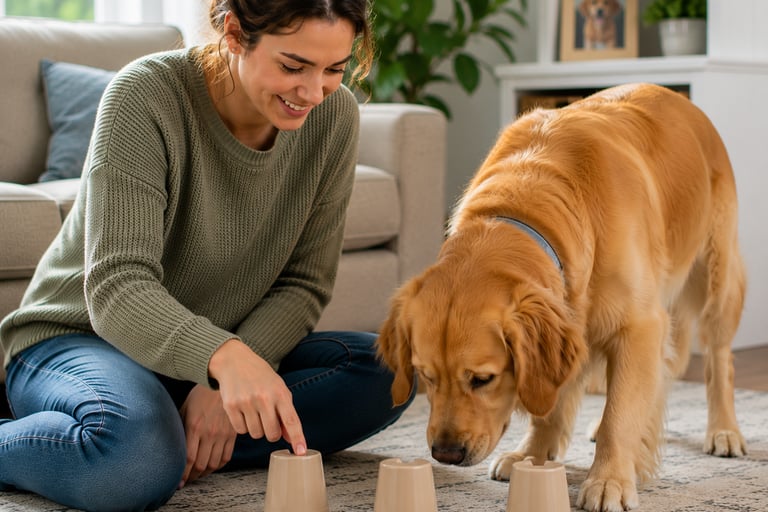
Something that challenges them.
Something that requires concentration.
Something that gives their brain a job to do.
That is why two dogs can take the same walk and have very different outcomes afterward.
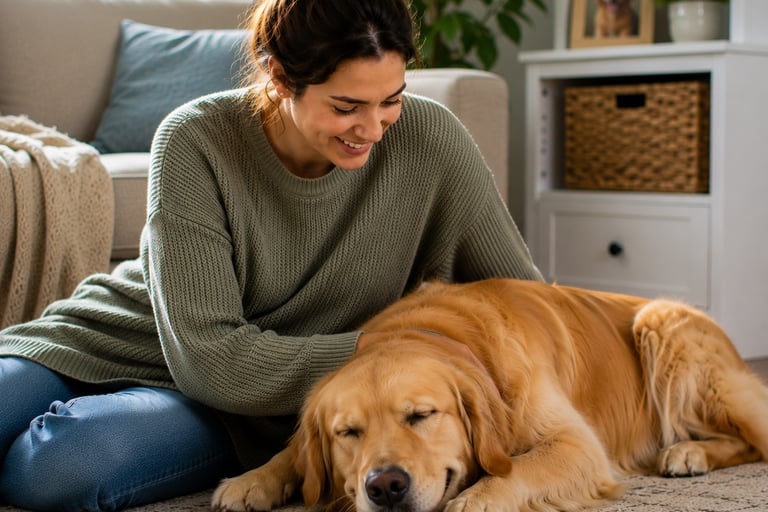
One dog comes home ready to nap.
The other comes home ready to find a new project.
And owners are often left wondering why.
A physically exercised dog is not always a mentally satisfied dog.
Many breeds were originally developed to think while they worked.
To solve problems.
Follow complex tasks.
Make decisions.
Work alongside people.
Those instincts do not disappear simply because a dog now lives in a house.
They often show up in different ways.
Some dogs become expert escape artists.
Some invent games.
Some constantly seek attention.
Some seem unable to settle down.
Not because they are bad dogs.
Because they are intelligent dogs trying to find a challenge.
That is one reason mental enrichment has become such an important part of modern dog care.
Mental work gives dogs an opportunity to use abilities that a simple walk may never fully satisfy.
And surprisingly, many owners discover that a few minutes of focused mental activity can sometimes be more effective than much longer periods of physical activity alone.
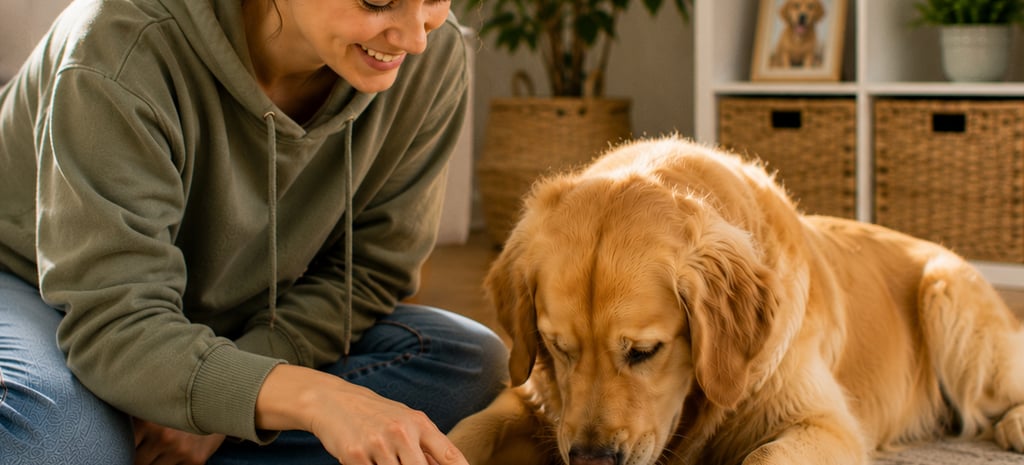
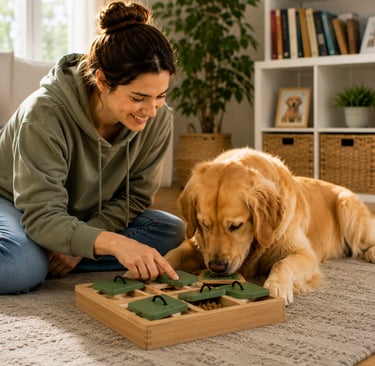
This is one reason many dog owners explore Brain Training For Dogs.
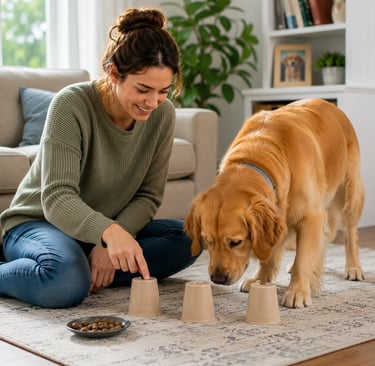
The program focuses on games, puzzles, challenges, and mental exercises that help dogs stay engaged while strengthening confidence, focus, and communication.
Many owners are surprised to discover that the missing piece was not more exercise.
It was more stimulation.
Because happy dogs do not simply need opportunities to move.
Many of them also need opportunities to think.
If your dog still seems restless after walks, it may be worth asking whether their body is getting exercise while their mind is still searching for something to do.
About
HeartPaws shares practical dog training tips, behavior advice, brain games, and enrichment ideas to help dogs live happier, more balanced lives.
Contact
info@heartbeatfit.com
© 2026 HeartPaws. All Rights Reserved.